Review: Spots 20oz Glass Can Wrap SVG for Crafters
As a designer who spends more time staring at stitch maps than most people care to admit, I approach every new embroidery file with a mix of curiosity and skepticism. When I first pulled up the Spots 20oz Glass Can Wrap SVG, my initial reaction was one of visual intrigue. The pattern promises a playful, retro-modern aesthetic that fits perfectly into current trends for personalized drinkware. However, translating a digital graphic intended for vinyl cutting into a tangible machine embroidery design requires a different kind of scrutiny. This isn't just about how it looks on a screen; it's about how those spots translate when rendered in thread on fabric.
First Impressions and Visual Personality
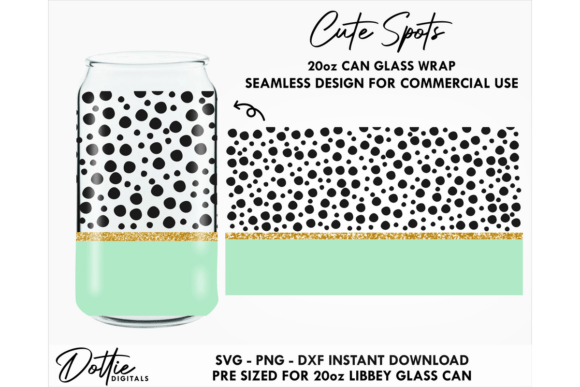
The layout of the Spots 20oz Glass Can Wrap SVG immediately suggests a fun, casual vibe. The spacing of the dots creates a rhythm that feels organic rather than rigid, which is excellent for avoiding that "stamped" look we sometimes see in mass-produced items. For an embroidery project, this irregularity is a double-edged sword. On one hand, it adds character and a handmade feel that customers love. On the other, it demands careful attention to stitch density. If the spots are too close together in certain areas, you risk creating a dense block of thread that could pucker lightweight fabrics. Conversely, if they are too sparse, the design might lack impact on textured materials.
The mood here is distinctly cheerful and versatile. It doesn't scream for attention like a complex floral bouquet might, but it offers enough visual interest to elevate a plain item into a boutique product. Whether you are envisioning this as a tote bag design or a decorative element on a kitchen towel, the graphical nature of the spots allows it to sit comfortably in both modern minimalist settings and eclectic, colorful environments.
Real-World Application: From Screen to Stitch
Let's talk about a real scenario. Imagine a client comes to your small shop requesting a set of matching aprons for a bridal shower or a family reunion. They want something cohesive but not overly formal. This is where the Spots 20oz Glass Can Wrap SVG shines as a conceptual starting point. While the original file is categorized under Tumbler Wraps and described as a Graphics asset for cutting machines, the geometry translates beautifully to embroidery if adapted correctly.
In this hypothetical project, I would digitize these spots using a combination of satin stitch for smaller accents and a light fill stitch for larger circles to maintain texture without adding excessive bulk. The result would be a custom apparel piece that feels high-end yet approachable. For an Etsy seller, offering this as a variation on a standard product line can significantly boost buyer engagement. It shows that you aren't just slapping a logo on a shirt; you are curating a look.
However, we must address the elephant in the room: the source file format. The product description notes this is a digital SVG cutting file. As an experienced reviewer, I must emphasize that you cannot simply load an SVG meant for a Cricut or Silhouette directly into your embroidery machine and expect magic. You will need to use digitizing software to convert these vector paths into a proper digital embroidery file (like DST, PES, or EXP). This step is crucial for defining stitch direction, underlay, and pull compensation. Skipping this step leads to broken needles and frustrated clients.
Navigating Fabric Challenges and Technical Constraints
When working with spotted patterns, the choice of fabric becomes critical. On a smooth, tight-weave cotton or a sturdy canvas tote bag, the definition of each spot will remain crisp. But what happens when you move to stretchy knits for a sweatshirt embroidery project? Here, the stabilizer selection is non-negotiable. A cut-away stabilizer is likely necessary to prevent the fabric from distorting around the individual elements of the design over time.
There are specific situations where you need to exercise caution. If you attempt this on a curved surface like a cap, the varying heights of the spots could cause registration issues if the digitizing isn't perfect. Similarly, on dark fabrics, you need to ensure your thread colors have enough contrast and that your underlay stitches are sufficient to prevent the background fabric from peeking through the gaps between spots. Tiny details matter; a single misplaced stitch in a repetitive pattern draws the eye immediately.
For baby embroidery projects, such as a onesie or a burp cloth, keep the scale in mind. Large, dense spots might feel stiff against sensitive skin. In these cases, scaling down the design or using a softer running stitch outline instead of a solid fill can make the finished product much more comfortable while retaining the visual appeal.
Commercial Value and Brand Consistency
From a business perspective, consistency is key to building trust. If you are selling handmade products, the quality of your stitching speaks louder than your marketing copy. Using a well-executed version of the Spots 20oz Glass Can Wrap SVG can become a signature element of your brand. Think of it as a visual anchor. When customers see that specific dot pattern, they should immediately think of your shop.
This design also works exceptionally well for printable mockups before you even commit to stitching. By visualizing the pattern on different garment colors in your online listings, you can gauge customer interest and refine your product offerings. It serves as a low-risk way to test market demand for a new aesthetic. Furthermore, for those creating design assets to sell to other makers, ensuring the pattern is scalable and clean adds immense value to your portfolio.
Practical Notes for the Studio
Before you commit this design to a client's expensive garment, here are a few practical steps I recommend:
- Test on Scrap Fabric: Always stitch out a sample on the exact same material you plan to use for the final product. Check for puckering or registration errors.
- Check Thread Contrast: Ensure your thread colors pop against the fabric. A low-contrast test in black and white can reveal if the pattern holds its shape visually.
- Review Stitch Density: If converting from SVG, manually adjust the density to suit the fabric weight. Too dense, and the fabric pulls; too light, and the backing shows.
- Confirm Hoop Size: Verify that the scaled design fits within your available hoop size, especially if wrapping around a cylindrical object like a tumbler sleeve or a large tote.
- Inspect Small Details: Look closely at the edges of the spots after stitching. Are they fraying? Do they need a tack-down stitch?
- Licensing Verification: Since this is a digital download intended for cutting machines, double-check the license terms regarding commercial embroidery use. Some creators allow personal use only, while others permit selling finished physical goods but not the digital files themselves.
In conclusion, the Spots 20oz Glass Can Wrap SVG offers a fantastic foundation for creative embroidery projects, provided you respect the technical transition from cut file to stitch file. With the right digitizing approach and material selection, it can transform simple items into standout personalized gifts or profitable small shop products. It is a reminder that in our craft, the potential of a design is only limited by our willingness to adapt and refine it for the needle and thread.