Penguins 20oz Glass Can Wrap SVG: A Designer's Review
As a designer who spends more time staring at stitch maps than most people spend watching TV, I approach every new digital embroidery file with a mix of excitement and skepticism. We have all been there: you buy a cute graphic, load it into your software, and realize the density is so high it will turn your fabric into cardboard, or the details are so tiny they will vanish under a standard needle. Today, I am taking a close look at the Penguins 20oz Glass Can Wrap SVG. While this asset is marketed primarily within the Tumbler Wraps category as a cutting file, my job is to evaluate its potential life beyond the vinyl cutter. Can this specific penguin theme translate effectively into a machine embroidery design for custom apparel and handmade goods? Let's dig into the practical realities of using this graphic for real-world stitching projects.
First Impressions: Mood and Visual Personality
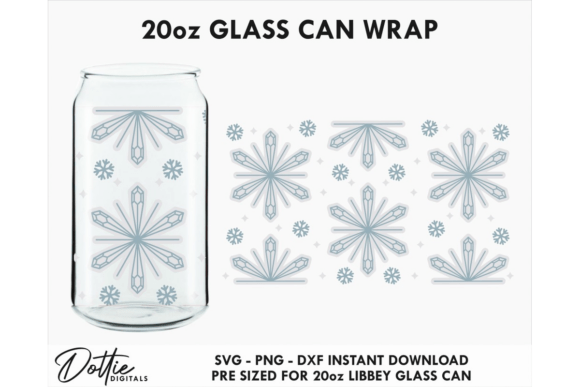
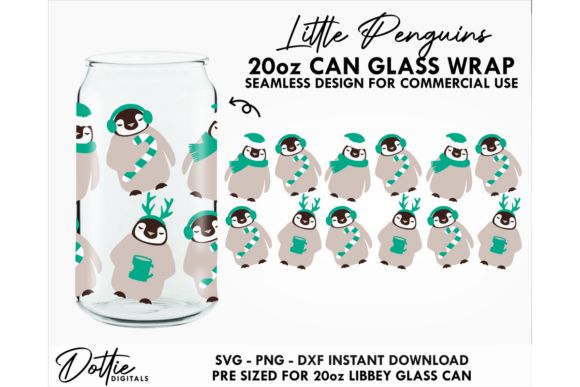
The moment you unzip the file and preview the Penguins 20oz Glass Can Wrap SVG, the vibe is immediately clear. This isn't a hyper-realistic wildlife illustration; it leans heavily into a playful, whimsical aesthetic that screams "fun winter gift." The layout is designed to wrap around a cylindrical surface, which means the composition likely features a continuous pattern or a central focal point flanked by complementary elements. For an embroiderer, this linear flow is interesting. It suggests a design that could work beautifully as a border on a tote bag design or a hem detail on a kitchen towel.
The visual personality is friendly and approachable. Penguins are universally loved, making this a safe bet for baby embroidery projects or holiday gifts where you want to evoke warmth without being overly sentimental. However, because this originates as a vector graphic for cutting, the lines are likely clean and bold. In embroidery terms, this usually translates well to satin stitch outlines or crisp running stitch details, provided the conversion from cut path to stitch path is handled with care in your digitizing software.
Real-World Application: From Screen to Stitch
Let's move from theory to a concrete scenario. Imagine a client comes to your craft business asking for a set of matching aprons for a family baking competition during the holidays. They want something unique but not too busy. This is where the Penguins 20oz Glass Can Wrap SVG could shine if adapted correctly. By isolating the central penguin motif, you could create a charming chest patch for the aprons. The black and white nature of penguins simplifies your thread colors palette, allowing you to use high-contrast threads like bright orange for beaks and feet against a navy or charcoal fabric texture.
Another strong use case is in the realm of small shop product creation. If you run an Etsy store specializing in winter accessories, this graphic could be the foundation for a line of embroidered beanies or mittens. Since the original file is a wrap, the elements are likely spaced to avoid clutter. This spacing is crucial for sweatshirt embroidery, where bulky fleece can sometimes swallow fine details. A simplified version of this design would maintain clarity even on thicker materials, ensuring the finished product looks professional rather than messy.
For those selling design assets or printable mockups, understanding how this SVG behaves when stitched adds value to your portfolio. Showing a potential buyer how a digital cut file transforms into a textured embroidered patch demonstrates versatility and increases the perceived value of the Graphics you offer.
Technical Considerations and Fabric Challenges
Here is where we need to be honest about the limitations. The Penguins 20oz Glass Can Wrap SVG was born for smooth glass and vinyl, not necessarily for woven cotton or stretchy knits. If you plan to digitize this for embroidery, you must pay close attention to stitch density. Vector lines can be infinitely thin; stitches cannot. If the original design includes tiny eyes or intricate ice textures, these might need to be enlarged or simplified to prevent thread breaks and bird nests on the back of your hoop size area.
Textured fabrics present another hurdle. If you are stitching this onto a waffle-knit towel or a rough canvas tote bag, the underlying texture can distort the smooth curves of the penguin shapes. In these cases, a heavier cut-away stabilizer is non-negotiable. You want the design to float above the fabric texture, not sink into it. Similarly, if you are attempting this on a curved surface like a cap, the wrap nature of the original SVG might need significant distortion correction to look right on the front panel of a hat.
Dark fabrics are generally great for penguin designs since their bodies are naturally black, but you must ensure your white belly areas are dense enough to prevent the dark fabric from peeking through. A light layer of tear-away stabilizer on top of the fabric (topping) can work wonders here to keep the white fill stitch areas crisp and bright.
Enhancing Brand Value and Customer Trust
Using a cohesive theme like this across your product line does more than just look cute; it builds brand recognition. When customers see a consistent style in your holiday embroidery or personalized gift offerings, it signals professionalism. The Penguins 20oz Glass Can Wrap SVG offers a specific "voice"—playful, wintry, and modern. Leveraging this voice in your commercial embroidery projects helps differentiate your handmade product from the mass-produced items found in big-box stores.
Furthermore, the quality of the final stitch-out directly impacts customer trust. If the details are muddy or the fabric puckers, the perceived value drops instantly. Conversely, a clean, well-digitized version of this design on a high-quality blank creates a premium feel. It turns a simple custom apparel item into a keepsake. For Etsy sellers, this distinction is the difference between a one-time purchase and a repeat customer who trusts your eye for detail.
Practical Notes for the Studio
Before you commit to stitching this on a client's expensive garment, follow these steps to ensure success:
- Test on Scrap First: Always run a test stitch-out on the exact same fabric and stabilizer combination you plan to use for the final embroidery project.
- Check Licensing: Since this is a digital download intended for cutting, verify the license terms before selling finished embroidered items. Some creators allow personal use only, while others permit commercial sales of physical goods.
- Review Density: If you are digitizing this yourself, reduce the density in large fill areas to prevent stiffness, especially on garments that need to drape well.
- Contrast Check: View your design in black and white on your screen to ensure the shapes are distinct without relying on color differences.
- Hoop Confirmation: Ensure the design fits comfortably within your available hoop size without needing excessive re-hooping, which can lead to alignment issues.
- Wash Testing: If the final product is meant for frequent washing, like a kitchen towel or baby onesie, wash the test sample to check for thread shrinkage or fraying.
In conclusion, while the Penguins 20oz Glass Can Wrap SVG is technically a cutting file, its charm and layout offer significant potential for the creative embroiderer willing to put in the prep work. It is a versatile asset that, when treated with respect for the medium of thread and fabric, can elevate your small business merchandise and bring a touch of icy fun to your winter collection. Just remember: the key lies in adapting the digital precision of the SVG to the organic reality of the stitch.