Review: Glitter Leopard Wrap for 20oz Skinny Tumblers
As a designer who spends more time staring at stitch maps and fabric swatches than most people care to admit, I approach every new machine embroidery design with a mix of curiosity and skepticism. We have all been burned by files that look stunning on a screen but turn into a puckered mess on actual fabric. So, when I first laid eyes on the Glitter Leopard Tumbler Wrap 20oz Skinny, my immediate reaction wasn't just about the aesthetic; it was about feasibility. This isn't just a pretty picture; it is a potential asset for a craft business or a standout handmade product in a crowded market.
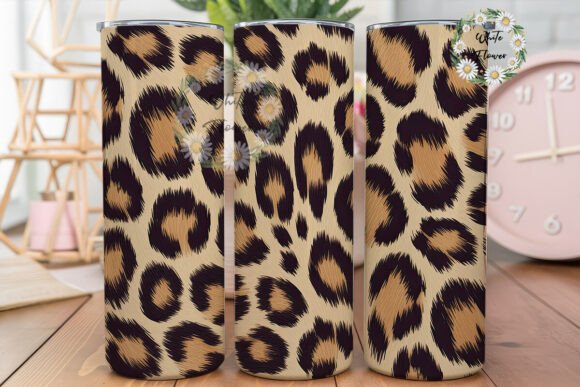
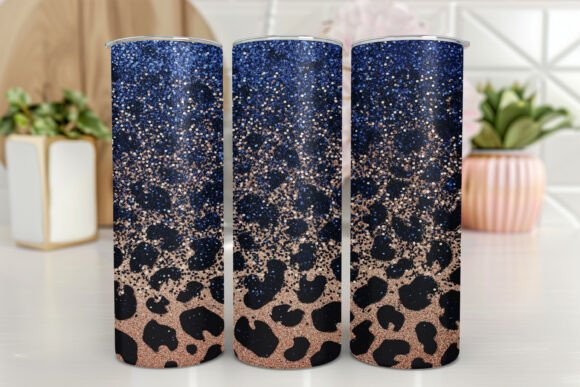
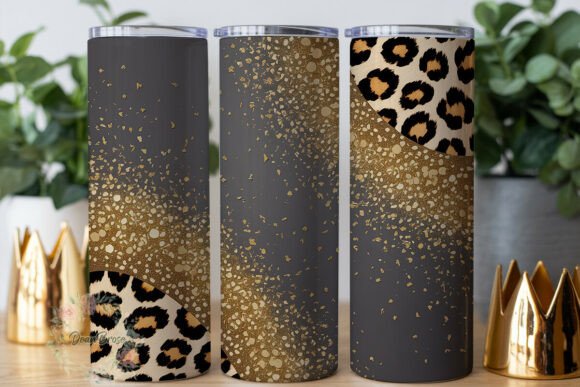
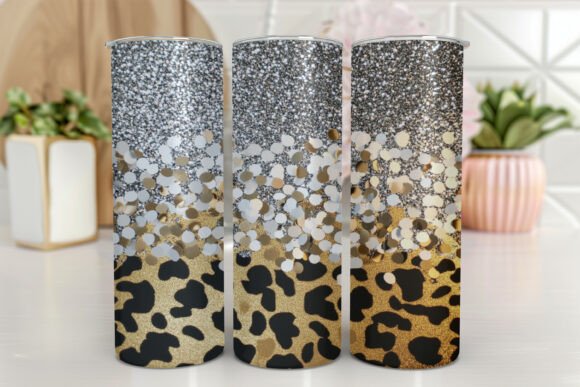
The first impression of this graphic is undeniably bold. The "glitter" effect suggested in the title implies a high-contrast, textured look that mimics the sparkle of foil or metallic thread without necessarily requiring expensive specialty threads if digitized correctly. For a Tumbler Wraps category item, the layout is critical. The dimensions provided—9.3 inches by 8.2 inches—are specific to the 20oz straight skinny tumbler curve. In the world of Graphics, this ratio is tricky. It requires a design that flows seamlessly without obvious repetition breaks, especially when wrapped around a cylindrical surface. My initial assessment is that the leopard motif offers enough organic movement to hide seams, making it a strong candidate for a continuous wrap application.
Visual Personality and Market Fit
The mood created by this embroidery file is one of modern glamour mixed with wild confidence. Leopard print has transcended its seasonal trends to become a neutral in many boutique circles, but adding the "glitter" element pushes it firmly into the gift and luxury customization space. I can immediately see this working beautifully for a personalized gift aimed at a younger demographic or anyone who loves a bit of flash.
However, let's talk about real-world application beyond the tumbler. While marketed as a wrap, a savvy Etsy seller or small shop product creator knows how to repurpose assets. Imagine taking this pattern and scaling it down for a sweatshirt embroidery project on the back yoke of an oversized hoodie. The density of the spots would need careful review, but the visual impact would be striking against a solid black or charcoal fleece. Alternatively, consider a tote bag design where the full width of the pattern covers the front panel. The key here is how the "glitter" translates. If the original file relies on complex fill stitch variations to simulate shine, it could add significant stitch density. This is great for durability on heavy canvas but potentially problematic on lighter knits.
Practical Performance in Real Projects
Let's walk through a specific scenario. Suppose you are preparing a batch of holiday gifts for a local boutique. You decide to use this design to create a coordinated set: a tumbler wrap and a matching embroidered patch for a denim jacket. The Glitter Leopard Tumbler Wrap 20oz Skinny shines here because the organic shapes of the leopard spots are forgiving. Unlike geometric patterns where a single misaligned stitch ruins the symmetry, animal prints allow for slight variances in tension without losing the overall effect.
When considering custom apparel, such as a baby onesie or a holiday embroidery project for a family matching set, caution is required. The high resolution (300 DPI) mentioned in the file specs suggests crisp lines, which is excellent for printable mockup creation and digital previews. However, for actual stitching on stretchy fabric, you must evaluate the underlay. A dense satin or fill stitch pattern on a baby item can be stiff and uncomfortable. If you plan to adapt this for baby embroidery, you might need to simplify the internal stitching or switch to an applique design approach, using the graphic as a cut guide rather than a full stitch-out.
For commercial embroidery projects, consistency is king. If you are selling these as design assets or finished goods, the customer expects the "glitter" look to pop. This means your choice of thread colors is paramount. Using a variegated gold or a metallic thread for the lighter spots could enhance the intended effect, whereas standard polyester might fall flat. The visual appeal directly impacts product value and customer trust. A muddy or poorly defined leopard print looks cheap; a crisp, well-defined one screams premium quality.
Technical Considerations and Fabric Challenges
There are areas where this design demands respect and careful planning. First, consider the hoop size. While the file is sized for a tumbler jig, adapting it for flat embroidery requires a hoop large enough to capture the 9.3-inch width without excessive re-hooping, which risks alignment errors. If you are working with a standard machine, you may need to split the design, which introduces the risk of visible join lines in the pattern.
Fabric texture plays a massive role here. On a smooth, tight-weave fabric like broadcloth or a coated canvas, the details will sing. On textured fabrics like terry cloth or heavy fleece, the finer details of the "glitter" simulation might get lost in the pile. Furthermore, dark fabric backgrounds require robust underlay to prevent the base material from showing through the lighter spots of the leopard print. Conversely, on light fabrics, ensure the darker outlines of the spots are dense enough to prevent show-through from the stabilizer or backing.
Curved surfaces present another challenge. While this is designed for a skinny tumbler, applying similar logic to a cap or a structured hat requires understanding how the pattern distorts over a dome. The center of the cap will stretch the design differently than the sides. For items that need frequent washing, like kitchen towels or aprons, verify the stitch type. Long running stitch areas might snag, while overly dense satin stitch columns could cause puckering after multiple wash cycles.
Designer Notes for Success
Before committing to a production run or listing this as a digital embroidery file for sale, I strongly advise a few practical steps. Always test the design on scrap fabric that matches your final project's weight and texture. Check the thread color contrast in natural light, not just under studio LEDs. Review the stitch density settings in your editing software; if the file feels too heavy, consider reducing the fill percentage slightly to improve drape on garments.
Inspect small details closely. Are the edges of the leopard spots clean? Is there adequate spacing between elements to allow the fabric to breathe? Test the design in a black-and-white mockup to ensure the tonal values hold up even without color reliance. This helps gauge the structural integrity of the pattern itself.
Finally, clarify the licensing. The product description notes this is for digital files only, packaged in a .zip archive. It does not explicitly state commercial rights for the stitched output. Before selling finished items or using this in client work, confirm whether the license allows for commercial embroidery usage. Understanding these terms protects your brand consistency and legal standing.
In conclusion, the Glitter Leopard Tumbler Wrap 20oz Skinny is a versatile and visually engaging asset. With its high resolution and trendy aesthetic, it holds significant potential for finished product creation ranging from drinkware to fashion accessories. However, its success relies entirely on the executor's attention to fabric compatibility, stitch optimization, and thoughtful adaptation. Treat it not just as a file to load, but as a component of a larger design strategy, and it will undoubtedly elevate your portfolio.