Review: Classic Leopard Print 20oz Tumbler Wrap
As a designer who spends more time staring at stitch maps than most people care to admit, I approach every new digital embroidery file with a mix of excitement and skepticism. We have all downloaded a "perfect" graphic only to find it turns into a puckered mess on the hoop. Today, I am breaking down the Classic Leopard Print 20oz Tumbler Wrap. While the product title suggests a sublimation or vinyl application for drinkware, my job is to translate this visual asset into a tangible machine embroidery design suitable for apparel and home goods. Let's see if this bold pattern holds up under the needle.
First Impressions and Visual Personality
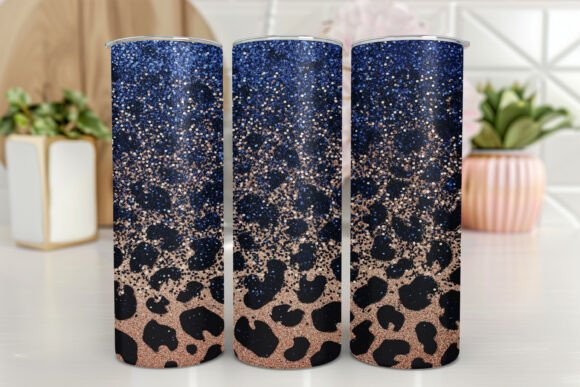
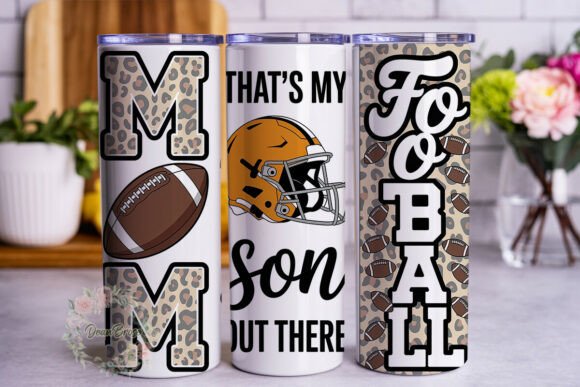
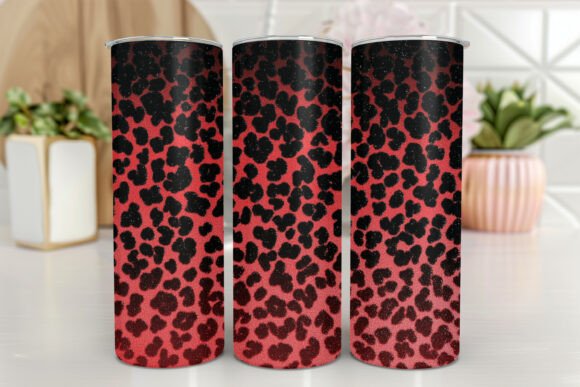
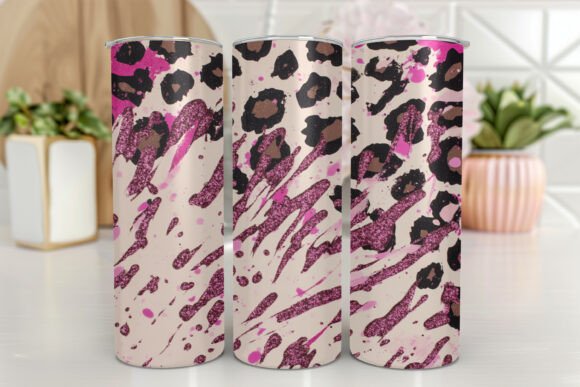
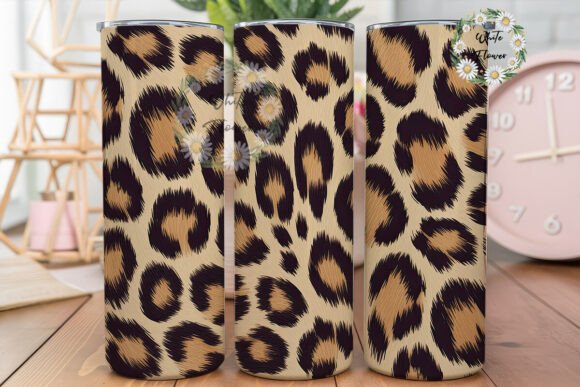
The moment you open the file, the mood is unmistakable: confident, wild, and undeniably trendy. The layout features a classic animal print motif that relies heavily on high contrast. With a resolution of 300 DPI, the source Graphics are crisp, which is the first green flag for any digitizer or embroiderer. A blurry source image usually leads to jagged edges in your stitch density, but here, the definition between the spots and the background is sharp.
The design requires sizing to 9.3" x 8.2", which is a substantial footprint. This isn't a subtle accent; it is a statement piece. The fact that the design is not seamless is a crucial detail. In the world of Tumbler Wraps, this means the pattern has a definite start and end point. When adapting this for embroidery, you cannot simply tile it across a large blanket without seeing a hard break in the pattern. This limitation actually works in our favor for specific projects like patches or centered chest logos, where a contained, framed look is preferable to an infinite repeat.
Real-World Application: The Boutique Sweatshirt Scenario
To truly test the viability of this asset, I imagined a real-life scenario for a small shop owner. Picture a local boutique preparing for a fall launch. They want a limited-run sweatshirt embroidery collection featuring bold animal prints. The client loves the Classic Leopard Print 20oz Tumbler Wrap aesthetic but wants it stitched onto French terry cotton rather than printed on a cup.
In this context, the design shines as a large back-piece or an oversized front pocket detail. The organic shapes of the leopard spots are forgiving; they do not require the microscopic precision of a geometric mandala. If a few stitches shift slightly due to fabric texture, the natural irregularity of the animal print hides minor imperfections better than rigid lines would. For an Etsy seller looking to create a handmade product that stands out in a crowded feed, this level of visual impact drives buyer engagement. It screams "custom" without looking amateurish.
Navigating Fabric and Hoop Challenges
However, enthusiasm must be tempered with technical reality. Because this design covers a large area (nearly 10 inches wide), hoop size becomes your primary constraint. Most standard home machines max out at 5x7 or 6x10 inches. To stitch this embroidery project in one go, you will need a large commercial hoop or a multi-position setup. If you attempt to split the design across two hoops, the non-seamless nature of the file means you must align the spots perfectly, or the "break" in the leopard pattern will be glaringly obvious.
Fabric choice is equally critical. This design demands stability. Attempting to stitch this level of detail on a stretchy jersey knit or a thin rayon without proper reinforcement is a recipe for disaster. The stitch density required to fill those spots solidly will pull on unstable fabrics, causing registration issues. I strongly advise using a heavy-duty cut-away stabilizer for this specific graphic. If you are working on a tote bag design made of canvas, you are in the clear. But for a baby embroidery project on a onesie, this design is likely too dense and large unless significantly scaled down and simplified.
Commercial Viability and Brand Consistency
For commercial embroidery professionals, the value of a design lies in its repeatability and customer reaction. The leopard print is a perennial best-seller, transcending seasonal trends. Using the Classic Leopard Print 20oz Tumbler Wrap as a base for a line of embroidered patch products could be a smart move. Patches allow you to stitch the design on a stable backing, trim it, and then apply it to various garments like caps, jackets, or bags. This bypasses the hooping limitations and allows you to sell a versatile design asset to customers who might not have large hoops.
Visual appeal translates directly to perceived value. A clean, well-digitized animal print looks expensive. It elevates a basic hoodie into a boutique item. However, you must consider thread colors. The default black and tan combination is classic, but experimenting with monochromatic schemes (like black on grey or navy on white) can modernize the look for different demographics. Always test your finished product in black and white mockups first to ensure the contrast remains legible regardless of the color palette chosen.
Practical Designer Notes for Success
Before you commit to selling this as a personalized gift or adding it to your inventory, follow these practical steps:
- Check Licensing Immediately: Since this originates as a graphic for tumbler wraps, verify the license terms. Does it allow for derivative works like embroidery? Can you sell the physical stitched items? Never assume a graphic license covers commercial stitching rights.
- Digitizing Strategy: If you are converting this graphic yourself, avoid overly dense fill stitch patterns. Use a lighter density with a slight underlay to prevent the fabric from becoming stiff. Consider using a satin stitch border around larger spots to define them against textured fabrics.
- Scrap Testing: Always stitch a sample on scrap fabric identical to your final material. Check for puckering, especially in the center of the large filled areas.
- Detail Inspection: Look closely at the smallest spots in the 300 DPI file. If they are too tiny, they may not stitch out cleanly and could look like blobs. You may need to manually remove micro-details before digitizing.
- Washability: Products with large filled areas, like this leopard print, undergo stress during washing. Ensure your tie-offs are secure and your stabilizer is trimmed close to the stitch line to prevent irritation.
Final Verdict
The Classic Leopard Print 20oz Tumbler Wrap is a potent visual tool. While it is marketed for drinkware, its high-resolution structure makes it an excellent candidate for adaptation into large-scale embroidery projects. It brings a fierce, fashionable energy to custom apparel and home decor. However, it is not a "load-and-go" solution for every machine. It requires thoughtful planning regarding hoop capacity, fabric stability, and licensing.
For the experienced maker willing to navigate these technical nuances, this design offers a high reward. It creates a finished product that feels professional, trendy, and ready for the boutique shelf. Just remember: the devil is in the details, and with animal prints, the stitch count and density are what separate a premium item from a hobbyist mistake. Treat this graphic with the respect it deserves, and it will become a staple in your craft business lineup.