Leopard Tumbler PNG: A Designer's Review for Real Projects
As a designer who spends more time staring at stitch maps and fabric swatches than I do sleeping, I approach every new digital embroidery file with a healthy dose of skepticism. We've all been there: you buy a design that looks stunning on the screen, only to find out it's a nightmare of jump stitches or impossible density once it hits the hoop. So, when I got my hands on the Leopard Tumbler PNG 20 Oz Skinny Tumbler, I didn't just look at the pretty spots; I looked at it through the lens of practical application. This isn't just a graphic for a sublimation wrap; for us stitchers, it's a potential goldmine for texture, branding, and high-value handmade products.
First Impressions: Mood and Visual Personality
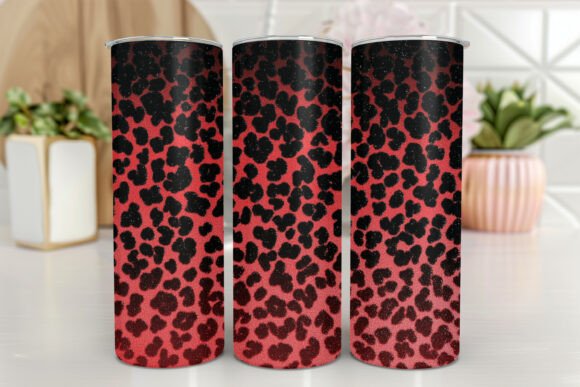
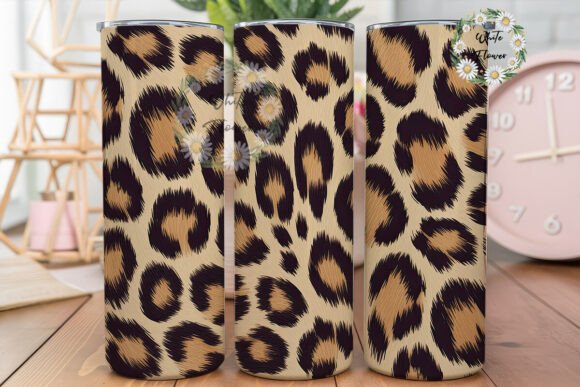
The first thing that strikes me about this asset is its bold, unapologetic energy. The leopard print theme immediately sets a mood of wild sophistication. It's not just a pattern; it's a statement. In the world of Tumbler Wraps and Graphics, animal prints are perennial bestsellers, but translating that into thread requires a keen eye. The layout provided in the 9.3″ x 8.2″ dimensions offers a generous canvas. For an embroidery project, this scale suggests we aren't talking about a tiny logo on a pocket. We are talking about full-coverage impact.
The visual personality here is modern and trendy. It feels right at home in a boutique setting or as part of a cohesive collection for an Etsy seller looking to expand beyond standard florals. The high resolution of 300 DPI ensures that if you are using this as a reference for digitizing your own applique design or creating a printable mockup for your shop, the lines are crisp. However, as an embroiderer, my brain immediately starts converting those pixels into satin stitch borders and fill stitch areas. The organic shapes of the spots offer a fantastic opportunity to play with texture, perhaps mixing matte and metallic threads to mimic the sheen of a real coat.
Real-World Application: Beyond the Tumbler
While the product title specifies a 20oz skinny tumbler, limiting this design to just drinkware would be a mistake. In my recent workflow, I envisioned using this pattern for a custom sweatshirt embroidery project. Imagine a cropped hoodie with this leopard motif running down one sleeve or across the back yoke. The size is perfect for making a statement without overwhelming the garment.
I also see immense potential for tote bag design. A heavy canvas tote featuring this pattern, perhaps executed with a dense stitch density to give it a tactile, almost embroidered patch feel, would sell incredibly well at craft fairs. It elevates a simple bag into a fashion accessory. For those running a craft business, consider baby items. A neutral onesie with a small, scaled-down version of these spots creates an adorable, gender-neutral baby embroidery option that parents love. Even holiday embroidery gets a twist; think of a leopard-print stocking cuff or a festive pillow cover that breaks away from traditional red and green.
The versatility extends to commercial embroidery projects for local boutiques. If a client wants branded merchandise that stands out, offering them a textured leopard accent on a cap or apron shows a level of creativity that generic stock designs can't match. It builds brand consistency if your shop specializes in bold, trendy aesthetics.
Technical Considerations and Fabric Challenges
Here is where we need to be realistic. Taking a graphic intended for a smooth tumbler surface and applying it to fabric comes with challenges. The primary concern is fabric texture. On a flat, woven cotton, the details will shine. However, if you attempt this on a highly textured fleece or a stretchy knit without proper stabilization, the definition of the spots could get lost. The organic curves of the leopard spots require precise stitching; if the fabric shifts, the shape distorts, and the "wild" look becomes "messy."
You must also consider the hoop size. While the design is large, most home machines have limits. You may need to split the design into sections or use a jumbo hoop if your machine supports it. For curved surfaces like caps, this specific 9.3-inch width might be too wide for a standard front panel without wrapping around the sides awkwardly. In those cases, I recommend isolating a specific cluster of spots rather than using the full layout.
Dark fabric presents another hurdle. If you are stitching light tan spots onto a black sweatshirt, you need to ensure your underlay is sufficient to prevent the dark background from peeking through and muddying the colors. Conversely, stitching dark spots on light fabric requires clean edges to avoid a "fuzzy" appearance. Always test your thread colors against the fabric first. A slight shift in shade can change the entire vibe from luxurious to cheap.
Enhancing Value and Customer Trust
In the eyes of a customer, the difference between a printed graphic and an embroidered design is tangible value. Using this Leopard Tumbler PNG 20 Oz Skinny Tumbler as a blueprint for a stitched product increases the perceived worth of your finished product. Embroidery implies durability and craftsmanship. When a customer sees the raised texture of the thread, they understand they are buying a personalized gift that will last, not a decal that might peel.
This attention to detail fosters customer trust. It shows that you, as the maker, care about quality. Whether you are selling small shop products online or at a local market, presenting a well-executed embroidered version of a trending pattern positions you as a serious artisan. It enhances your portfolio, showing potential clients that you can take digital concepts and translate them into premium physical goods.
Practical Notes for the Studio
Before you commit to stitching this on a client's expensive garment, here is my checklist for success:
- Test on Scrap First: Never skip this step. Use the same fabric and stabilizer combination you plan to use for the final item to check for puckering or registration issues.
- Check Stitch Density: Since this is a PNG and not a pre-digitized embroidery file, you or your digitizer need to determine the appropriate density. Too dense, and the fabric will stiffen; too light, and the coverage will be poor.
- Stabilizer Selection: For larger designs like this, a cut-away stabilizer is often safer than tear-away, especially for garments that will be washed frequently. This ensures the embroidered patch effect remains stable over time.
- Mockup Verification: Create black and white mockups to ensure the contrast holds up even without color. This helps identify if any details are too fine to stitch out effectively.
- Licensing Check: The listing notes these are digital files for tumbler wraps. Before selling finished embroidered items, confirm the licensing terms. Some graphics licenses allow for physical end-products but restrict reselling the digital file itself or using it for mass production.
- Thread Contrast: Experiment with variegated threads. A multi-tonal gold or brown thread could add incredible depth to the leopard spots, mimicking natural fur variations better than a solid color.
In conclusion, the Leopard Tumbler PNG 20 Oz Skinny Tumbler is more than just a sublimation asset. With the right technical approach and creative vision, it serves as an excellent foundation for high-end embroidery projects. It challenges us to think outside the hoop and consider how digital graphics can inspire tactile, threaded art. Whether you are decorating a kitchen towel, a cap, or a high-fashion jacket, this design offers the versatility and visual punch needed to make your craft business stand out in a crowded market. Just remember: the magic isn't just in the download; it's in how you execute it with needle and thread.