Owl Tumbler Wrap Design: A Designer's Review for Stitchers
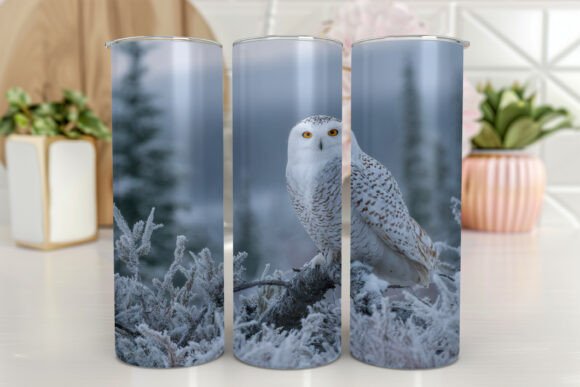
As a designer who spends more time staring at stitch maps than most people care to admit, I approach every new digital embroidery file with a healthy dose of skepticism. We have all been there: you download a gorgeous graphic, convert it, and realize the satin stitches are too long or the density is going to turn your fabric into cardboard. Recently, I got my hands on the Owl Tumbler Wrap Sublimation Design. Now, on paper, this is listed under Tumbler Wraps and Graphics, intended for 20oz straight skinny tumblers. However, my brain immediately started spinning wheels on how to translate this high-resolution visual asset into a tangible machine embroidery design for a completely different set of products. This review isn't about sublimation; it's about taking a robust graphic and evaluating its potential life as a stitched handmade product.
First Impressions: Mood and Layout Potential
When I first opened the zip archive and viewed the 300 DPI file, the immediate takeaway was the clarity of the lines. For an embroidery converter or a manual digitizer, clean lines are gold. The owl motif carries a whimsical yet sophisticated mood, perfect for the current market trend favoring nature-inspired and cozy aesthetics. The layout, originally sized at 9.3″ x 8.2″, offers a substantial canvas. In the world of custom apparel and home decor, this scale suggests that the design is meant to be a statement piece rather than a subtle accent.
The visual personality of the owl is friendly and approachable. It lacks the overly complex, tiny details that often turn into thread nests when stitched out. Instead, it relies on strong shapes and defined areas of color. This is crucial because when we talk about translating a sublimation graphic into an embroidery project, we are essentially simplifying reality into threads. A design with clear separation between elements allows for better use of satin stitch borders and clean fill stitch areas without excessive jumping or trimming.
Real-World Application: From Screen to Stitch
Let's move away from theory and talk about a real scenario. Imagine you are preparing a custom order for a boutique client who wants a coordinated set of nursery items. They love the owl theme but want texture and durability that sublimation can't offer on cotton. You decide to adapt this Owl Tumbler Wrap Sublimation Design for a large tote bag design or a heavyweight sweatshirt embroidery project.
Because the original graphic is high resolution, tracing it for digitization (or using an auto-digitizer with heavy manual cleanup) becomes much easier. The resulting finished product would likely feature a large central owl motif on the front of a canvas tote. The size of the original wrap means you aren't fighting to shrink details down to fit a 4x4 hoop; instead, you have the luxury of space. This allows you to use varied thread colors to create depth, perhaps using a lighter shade for the belly feathers and a darker tone for the wings, mimicking the gradient effects seen in the sublimation version but with the tactile appeal of thread.
Beyond bags and sweatshirts, consider holiday embroidery gifts. An owl is a versatile symbol that works year-round but feels particularly cozy in autumn and winter. Picture this design stitched onto a linen pillow cover or a kitchen tea towel. The sturdy nature of the graphic translates well to these household items, adding a touch of artisanal charm that elevates a simple textile into a personalized gift worthy of gifting.
Technical Considerations and Fabric Challenges
While the potential is high, we must address the technical realities. The original file is designed for a curved, rigid surface (a tumbler). When moving to flexible textiles, the behavior of the design changes. If you are planning to stitch this onto a stretchy fabric like a jersey t-shirt or a baby onesie for baby embroidery, you need to be extremely careful with stitch density. A dense fill that looks great on a metal tumbler will cause puckering and distortion on thin knits.
For these lighter materials, I would recommend converting the solid areas into a lighter fill pattern or even considering an applique design approach. By cutting fabric shapes for the owl's body and wings and stitching them down with a tidy satin border, you reduce the amount of thread buildup. This not only preserves the drape of the fabric but also adds a lovely mixed-media texture that customers love.
Another critical factor is the hoop size. Given the dimensions of the source image, you will likely need a large hoop, such as a 6x10 or even larger, depending on your machine's capabilities. Always confirm your machine's maximum area before committing to the digitization process. Furthermore, if you attempt to place this on a curved surface like a cap, the large flat area of the owl's face might distort. Caps require specialized digitizing techniques to account for the curvature, so this specific design might be better suited for flat panels unless you are an experienced hat digitizer.
Enhancing Brand Value and Customer Trust
For Etsy sellers and small shop owners, the quality of your design assets directly impacts your brand perception. Using a crisp, well-defined motif like this owl signals professionalism. When a customer receives a custom apparel item where the stitching is clean, the colors are vibrant, and the design holds up after washing, their trust in your brand skyrockets.
This design has the "giftability" factor. It's recognizable and cute without being childish. Whether it's used for wedding gifts (perhaps as part of a "wise" couple theme) or boutique branding for a local coffee shop, the versatility adds value. However, remember that the visual appeal relies heavily on your execution. Poor tension or mismatched thread colors can ruin even the best concept. Always test your digitized version on scrap fabric that matches the weight and texture of your final product. Check how the running stitch underlays perform on dark versus light backgrounds, as this affects the overall crispness of the owl's outline.
Practical Notes for the Creative Entrepreneur
Before you list this as a small shop product or include it in your commercial catalog, there are a few housekeeping steps to take. First, verify the licensing terms. The product description notes these are digital files for sublimation; using them for embroidery usually requires checking if the creator allows derivative works or if you need a commercial license for the stitched output. Never assume a sublimation license covers embroidery sales.
Second, create printable mockups of your embroidered versions. Show your customers what the owl looks like on a textured linen or a heather grey sweatshirt. This helps manage expectations and boosts engagement. Finally, pay attention to the small details. If the original graphic has tiny text or intricate feather tips, simplify them. In embroidery, less is often more. Tiny lettering can become illegible, and overly detailed corners can fray.
In conclusion, the Owl Tumbler Wrap Sublimation Design is a robust starting point for creative adaptation. While it originates in the world of Graphics and Tumbler Wraps, its strong composition makes it a viable candidate for high-quality commercial embroidery projects. With the right digitizing adjustments, attention to fabric compatibility, and a keen eye for detail, this owl can fly off your shelves as a beloved handmade product. Just remember to respect the medium—what works on a tumbler needs to breathe on fabric.